Grays Court Hotel is nestled in the heart of the exclusive and tranquil Minster Quarter. Relax in our Long Gallery or stroll through our delightful gardens. This house has played host to kings and noblemen in it's long history. From sunlit summers to cosy winters this award-winning hotel is the perfect place to stay in York.
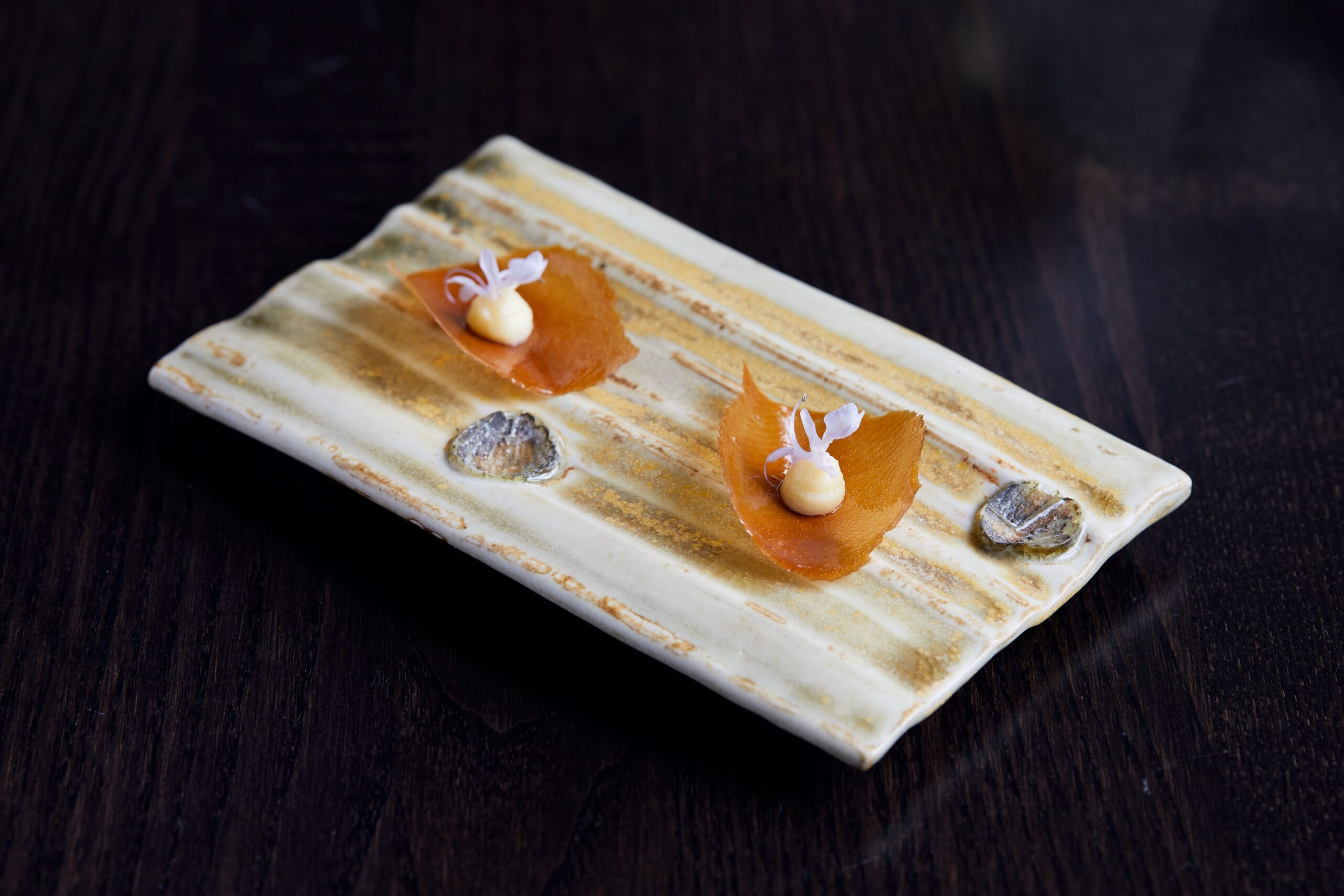
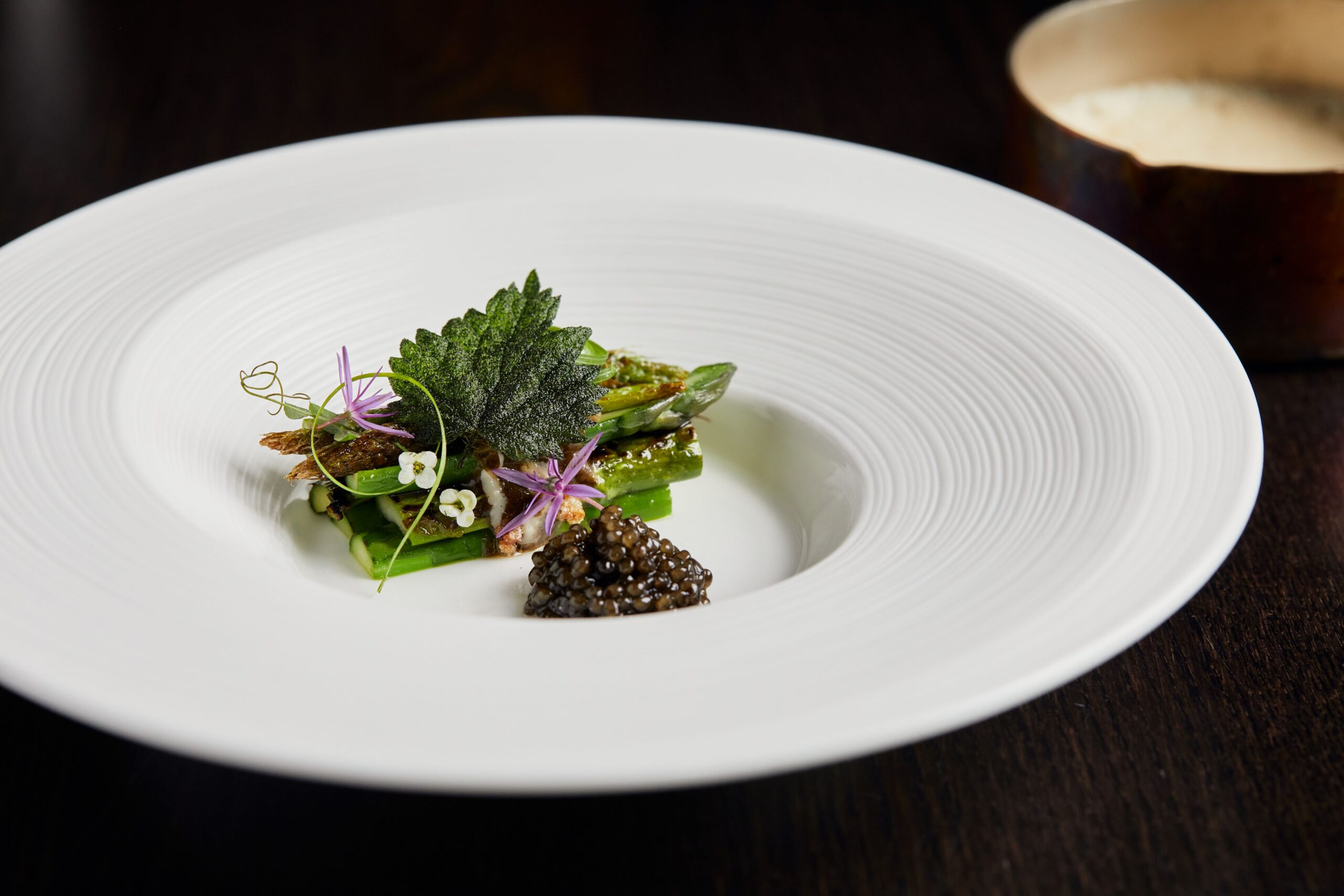
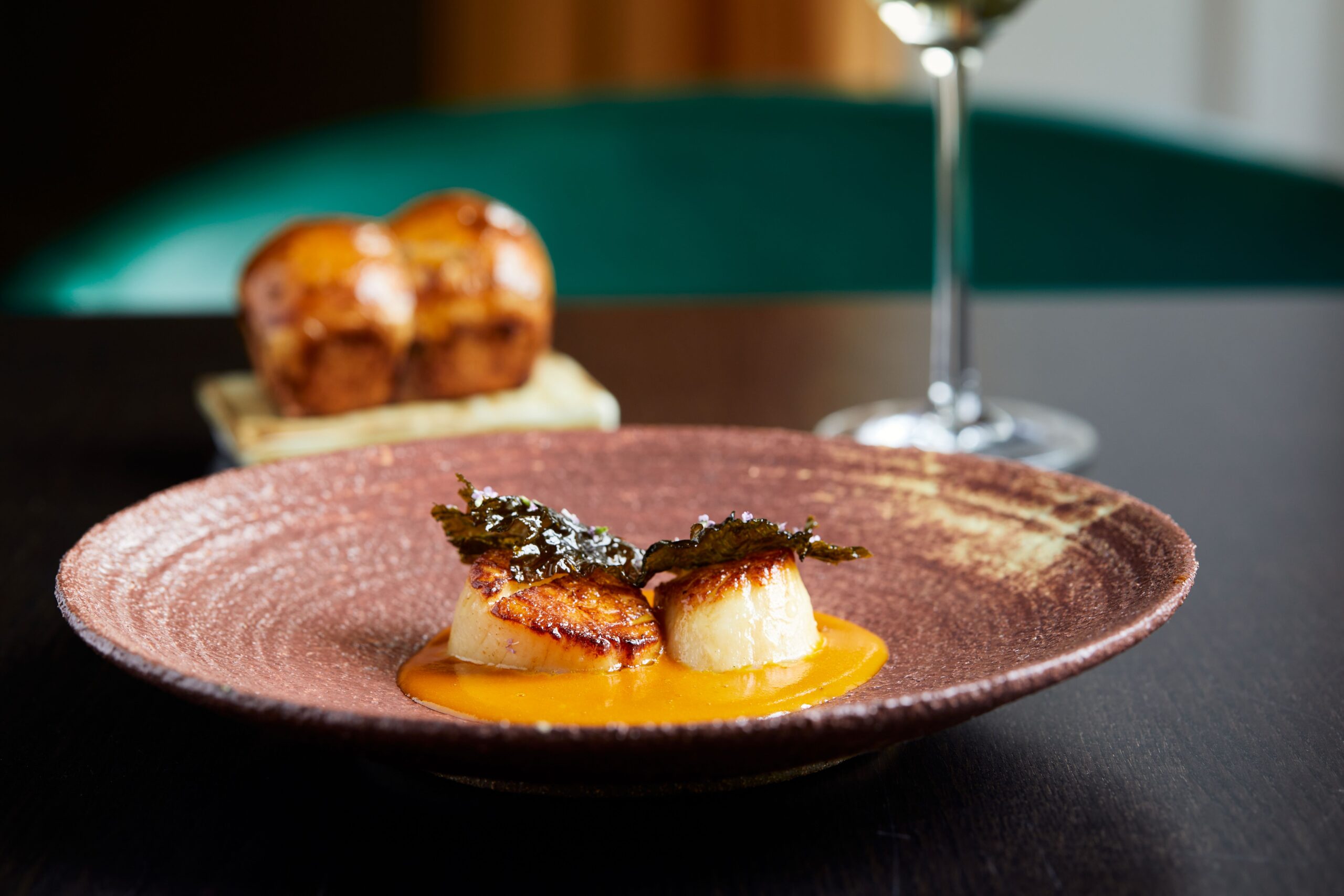
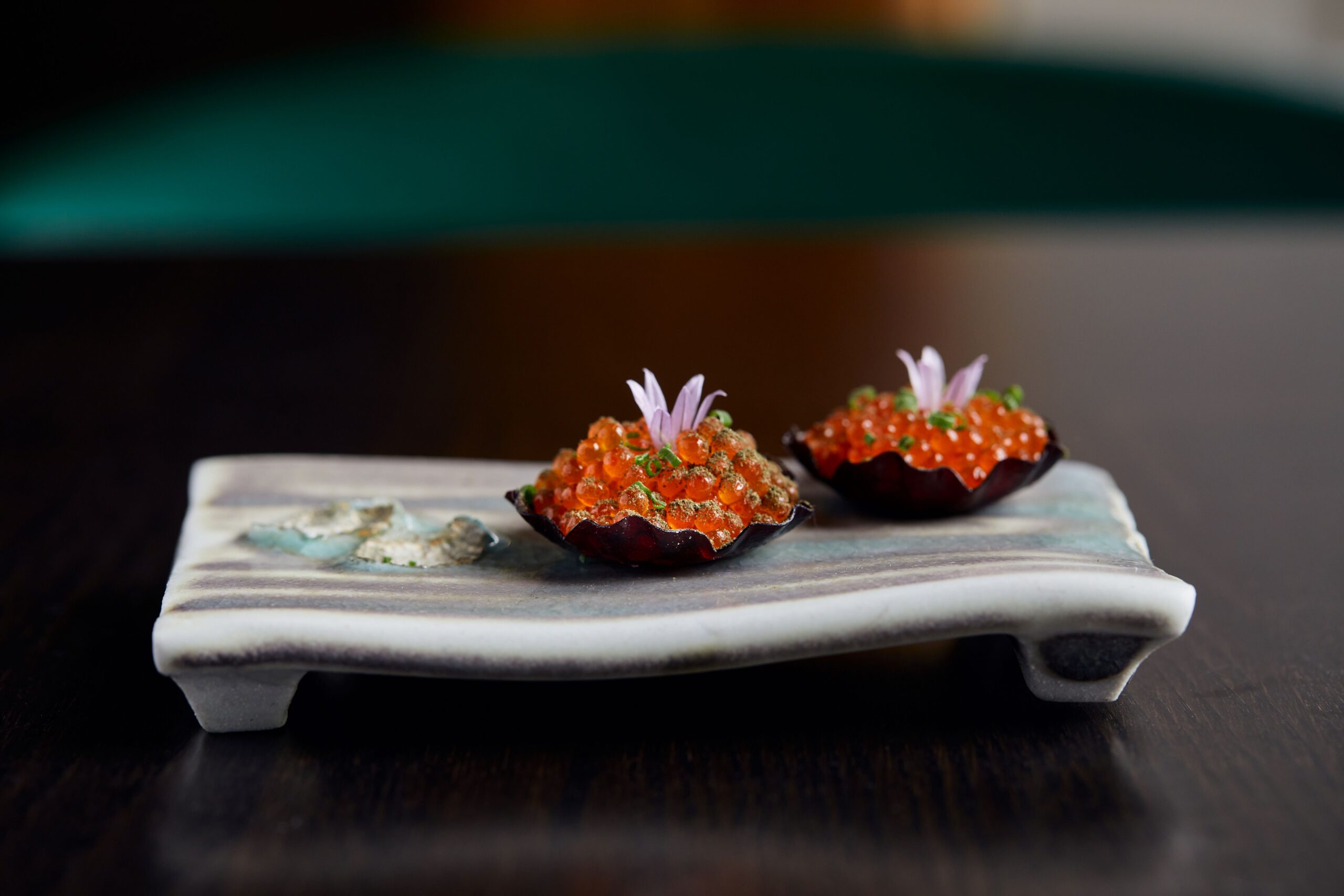
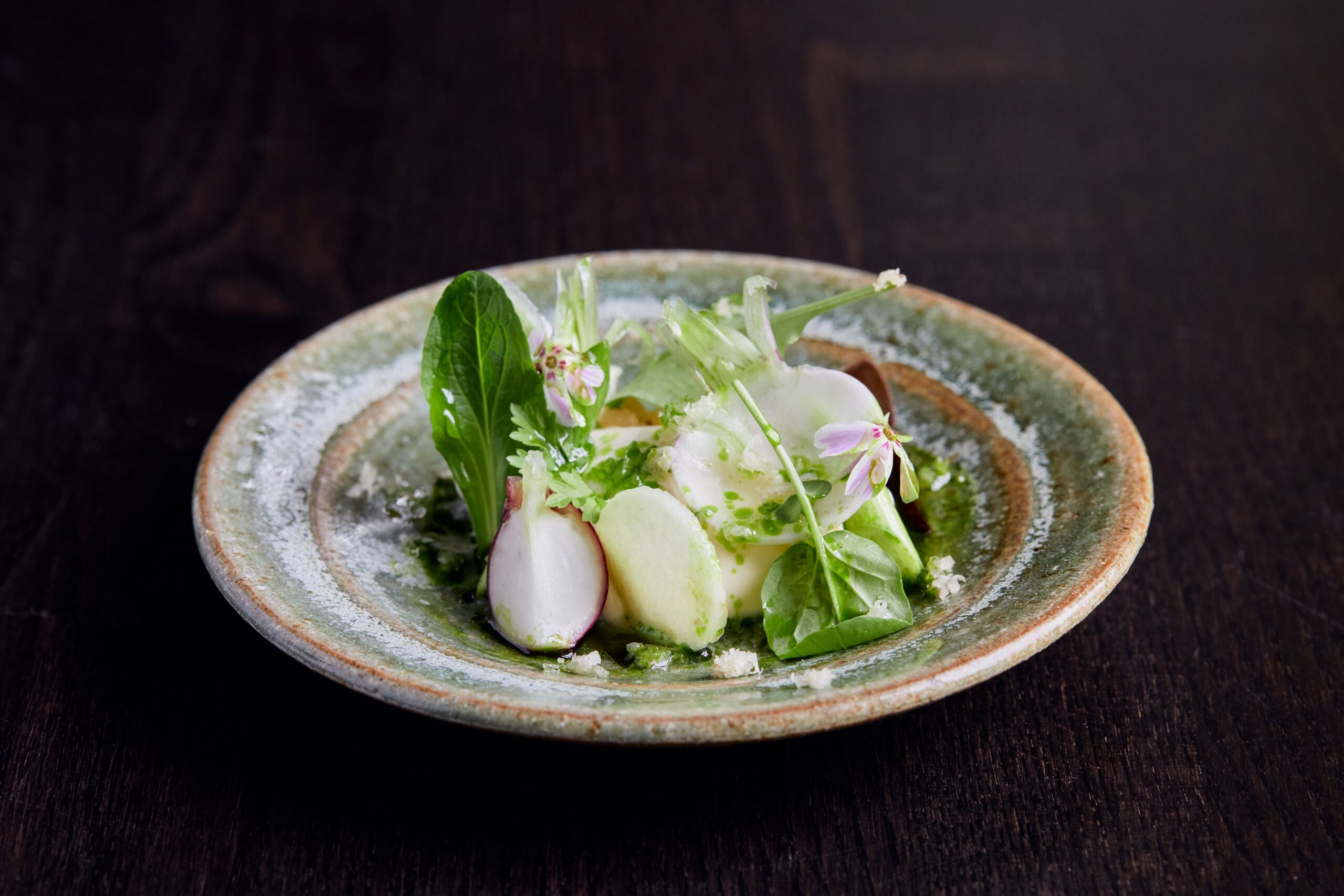
Savor the sophistication of The Bow Room's Tasting Menu here at Grays Court, where culinary artistry meets unriavelled elegance, and every bite tells a story of passion and perfection. The finest ingredients are sourced locally and grown in our own gardens.

EMAIL
ENQUIRIES@GRAYSCOURTYORK.COM
PHONE
+44 1904 612613
Address
GRAYS COURT HOTEL,
CHAPTER HOUSE STREET,
YORK, YO1 7JH
Sunday Lunch at Grays Court
Immerse yourself in the timeless elegance of Grays Court, where centuries of history meed modern sophistication.
Indulge with our exclusive Sunday Lunch experience in the grandeur of our historic building, surrounded by captivating architecture and lush gardens.
discover our luxurious
BOUTIQUE ROOMS
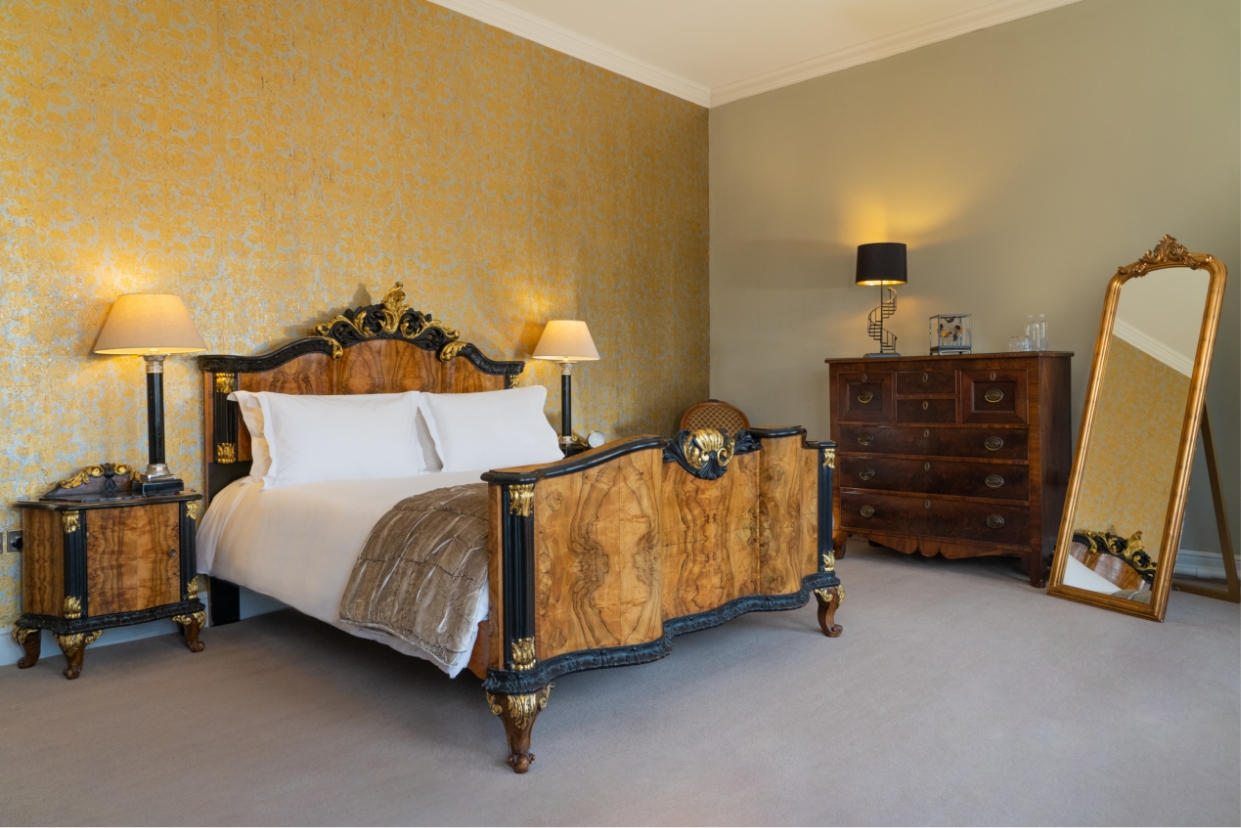
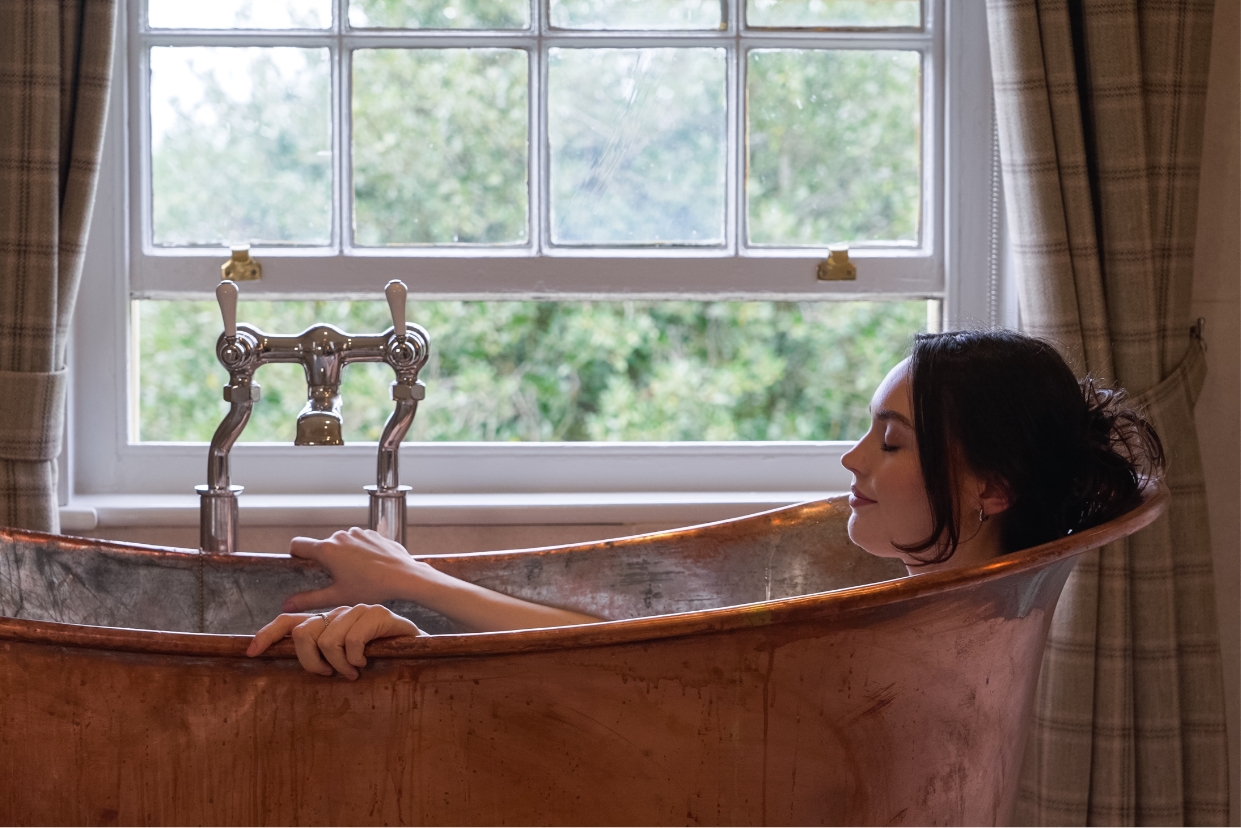
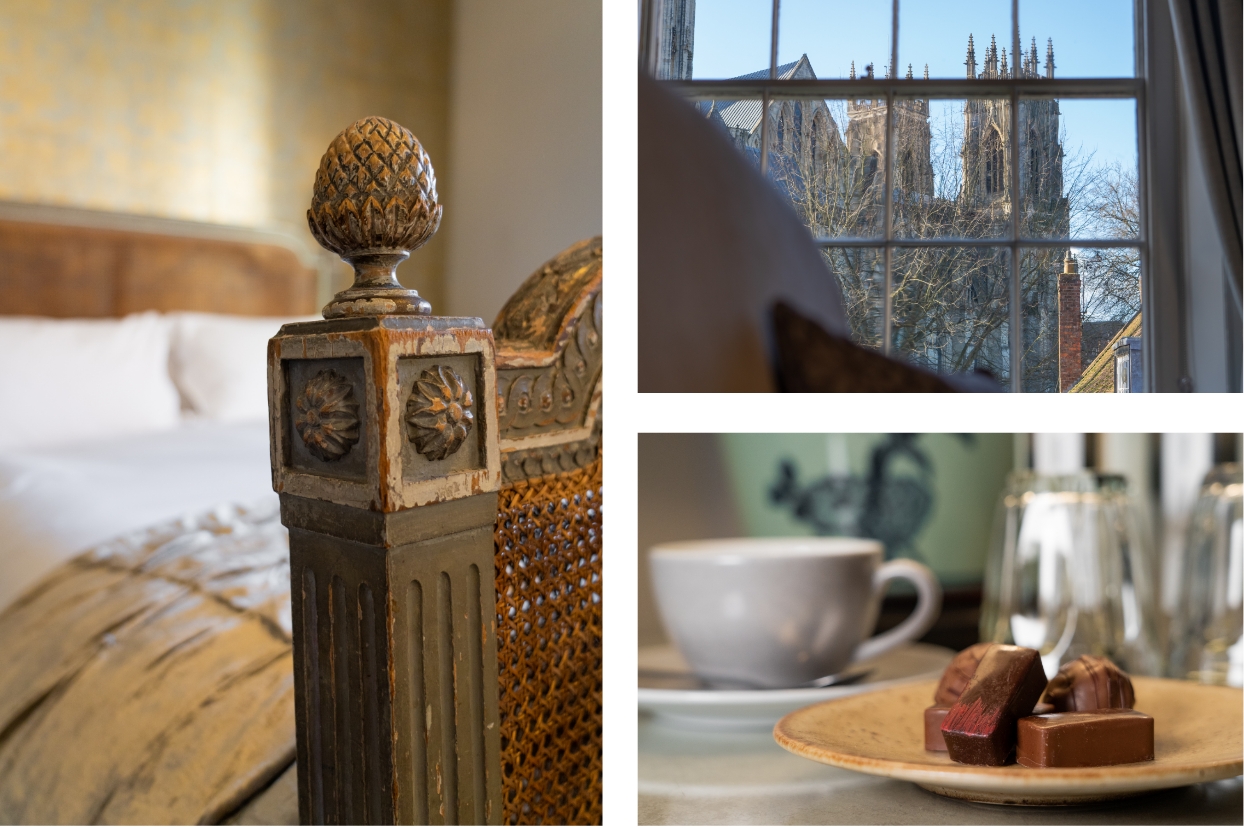
The hotel has twelve individually designed en-suite bedrooms, with views ranging from the cobbled courtyard, the extensive gardens bounded by the City Walls, and York Minster itself. The rooms are all individually and exquisitely furnished to the highest standards, in keeping with the history of the house.
welcome to
THE BOW ROOM
Our fine dining restaurant, The Bow Room Restaurant, offers an exceptional experience for our guests. With 3 AA Rosettes and featured in in the Michelin Guide. We pride ourselves on using produce of the highest quality, including much from our own edible gardens.
Head Chef Ian Doyle gained his first Michelin Star at the Cliff House Hotel in Waterford in 2021, he retained his star in 2022 before moving to the UK later that year. Ian previously worked in Stockholm as Head Chef at the Michelin Star restaurant Oaxen Krog, and prior to that in Copenhagen's legendary Noma restaurant.
award
WINNING HOTEL
Grays Court Hotel & The Bow Room Restaurant are proud to have won the Yorkshire Post Award for Best Restaurant in Yorkshire 2022. We also celebrated a double win for Best Small Hotel & Best Restaurant in York at the Visit York Awards 2022.
We have this year retained our 3 AA Rosettes for culinary excellence, our spot in The Michelin Guide & highly rated in The Hardens guide for 2023.

a warm welcome
SINCE 1091
Built on the site of a Roman fortress and continuously occupied since the 11th century Grays Court has been home to many illustrious characters. Official residence to the Treasurers of York Minster between 1091 – 1547, post-reformations owners have included the Duke of Somerset, and Sir Thomas Fairfax. The house in named for the illustrious Gray Family who lived here between 1788 and 1945.
Proprietor Helen Heraty, is friendly, considerate and dedicated to ensuring everyone gets the most out of the hotel. Her policy is “go anywhere where the doors are open” which is great for enjoying the space.”
Rob Cowen,
The Telegraph
Address
GRAYS COURT HOTEL, CHAPTER HOUSE STREET, YORK YO1 7JH
PHONE
+44 01904 612613
KEEP IN TOUCH
To hear about exclusive direct booking offers and news from Grays Court Hotel & The Bow Room Restaurant please enter your details.